
HubElevate

Learn smarter.
Play better together.

Master classic board and table games through interactive rules, adaptive strategies, and simple learning paths designed for beginners, families, and master strategists.

Friends playing chess together
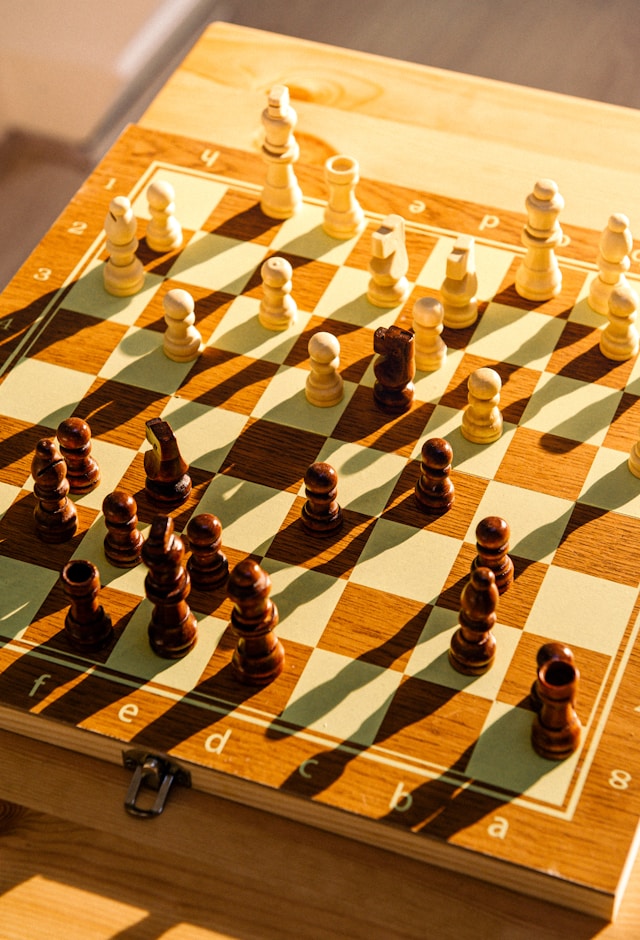
Chess board

Chess

Chess rewards patience, planning, and the ability to see beyond the current move. Each piece has a unique role, and every decision changes the shape of the board.

Beginners can start by learning piece movement, basic development, and king safety before exploring tactics and long-term positional ideas.
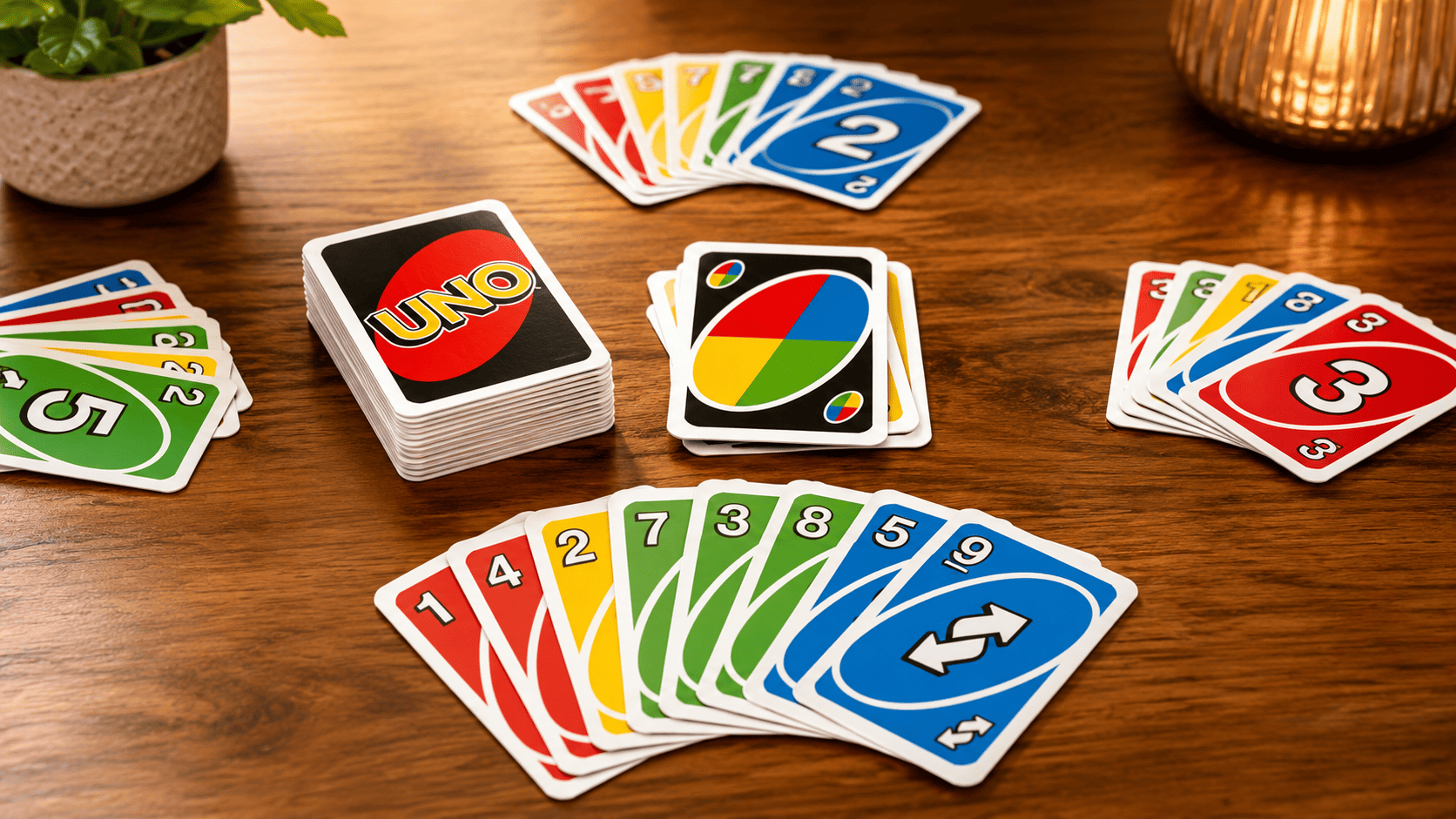
UNO

Match colours and numbers, use action cards at the right moment, and try to empty your hand before everyone else.

Quick rounds make this style of card game ideal for families, parties, and players who enjoy lively competition with simple rules.

Colour matching card game
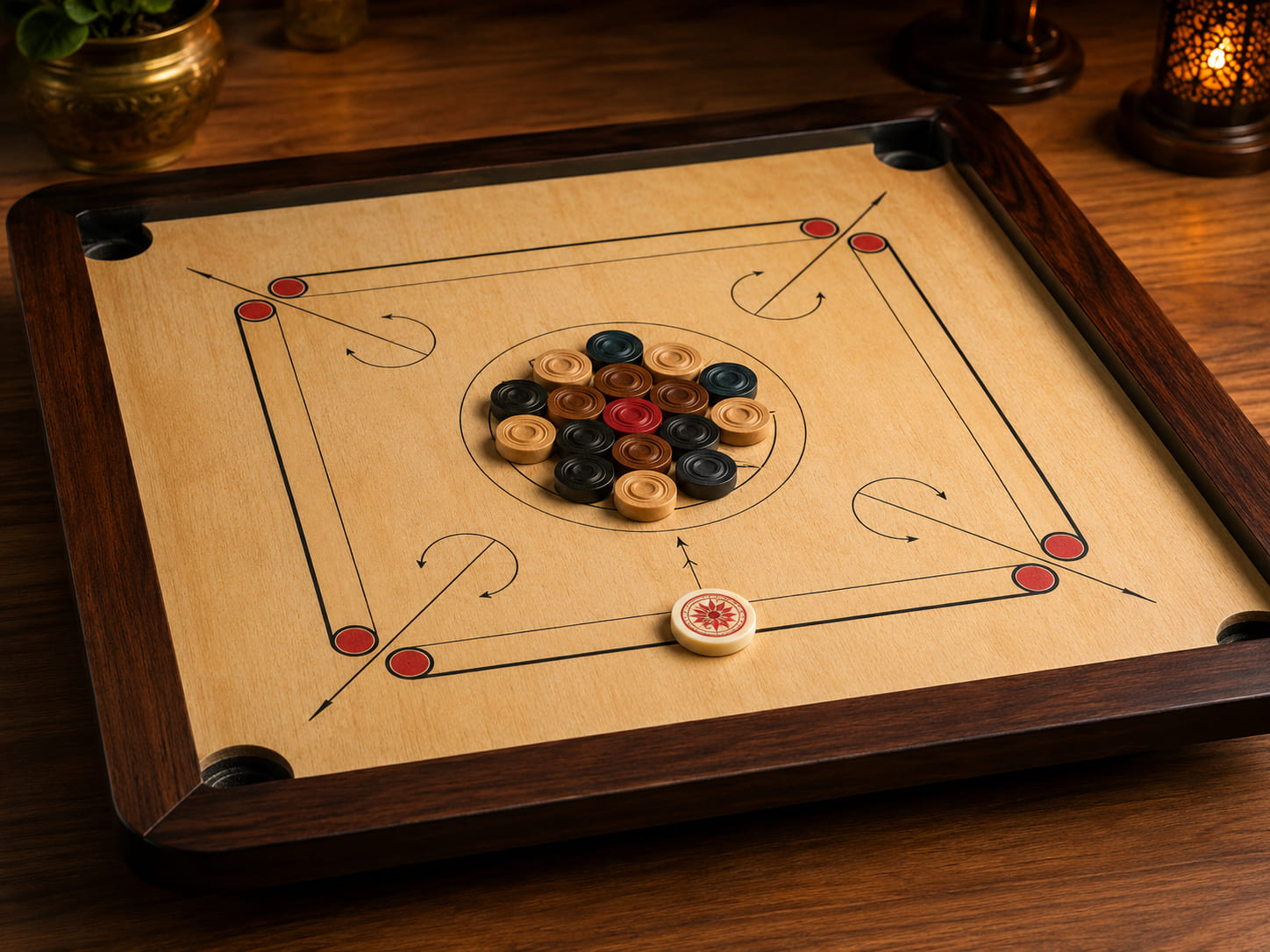
Carrom board

Carrom

Carrom combines clean striking with smart positioning. Players use the striker to pocket pieces while trying to leave the board difficult for their opponent.

The best results come from understanding angles, controlling force, and planning where the striker and pieces will finish after contact.

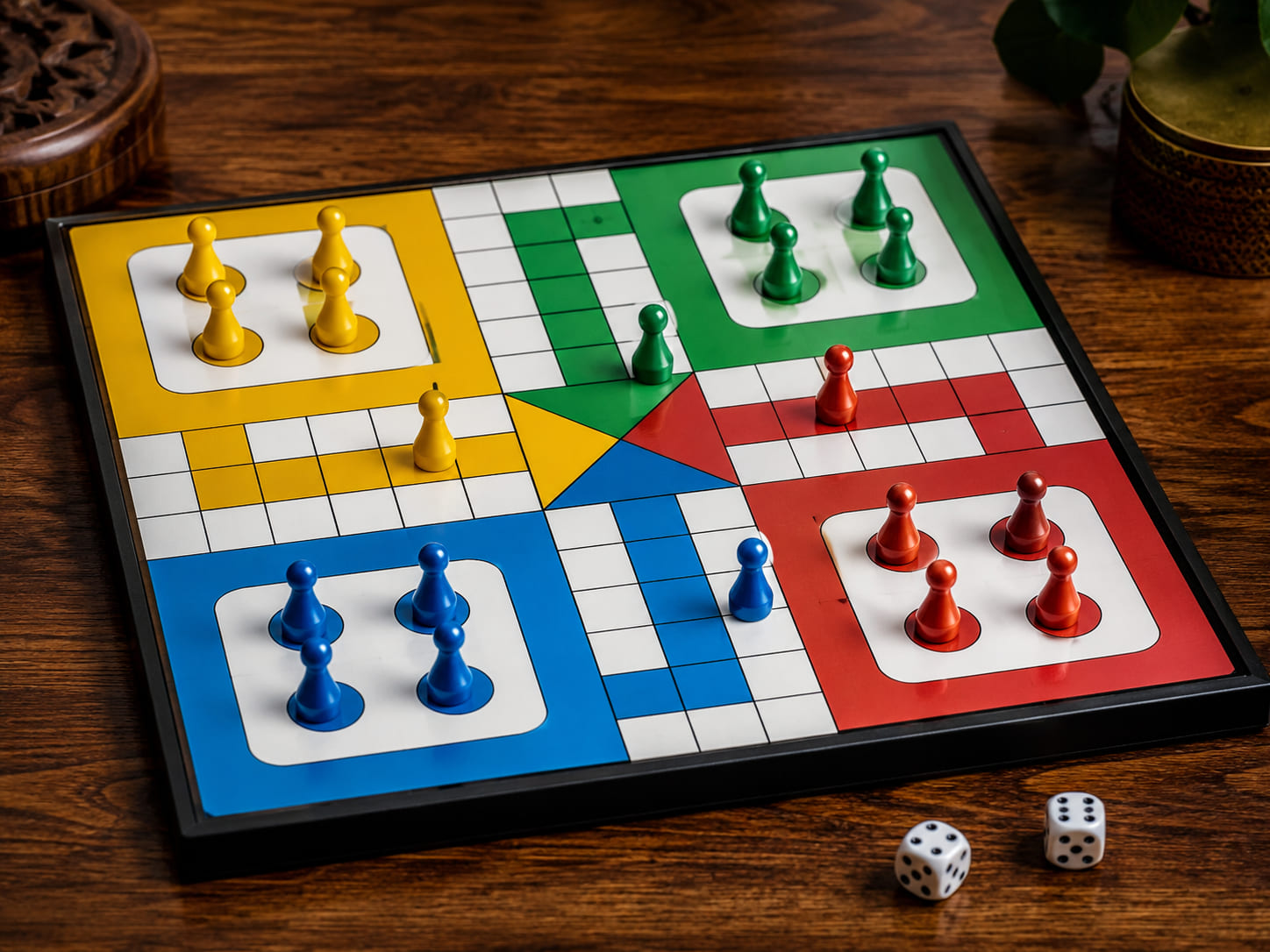
Ludo

Ludo is easy to understand but still gives players meaningful choices. You decide which token to move, when to protect a piece, and when to challenge an opponent.

Because every dice roll changes the possibilities, each match creates a fresh mix of luck, timing, and friendly competition.

Ludo board
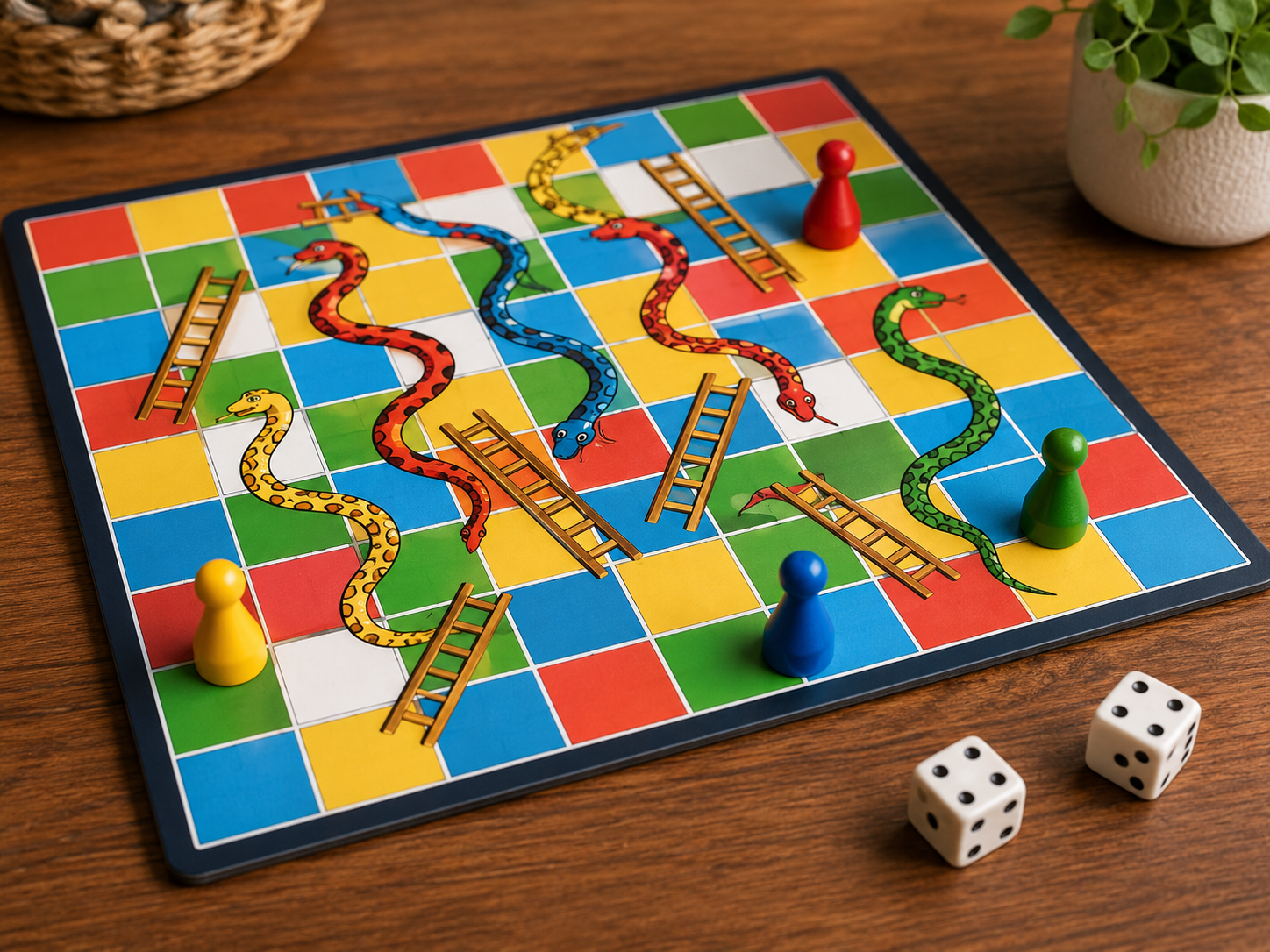
Snakes and ladders board

Snakes & Ladders

Climb ladders, avoid snakes, and race towards the final square. The rules are simple, making it a natural choice for young players and relaxed family sessions.

Every roll can create a dramatic change, so the game stays exciting even when someone appears far ahead.

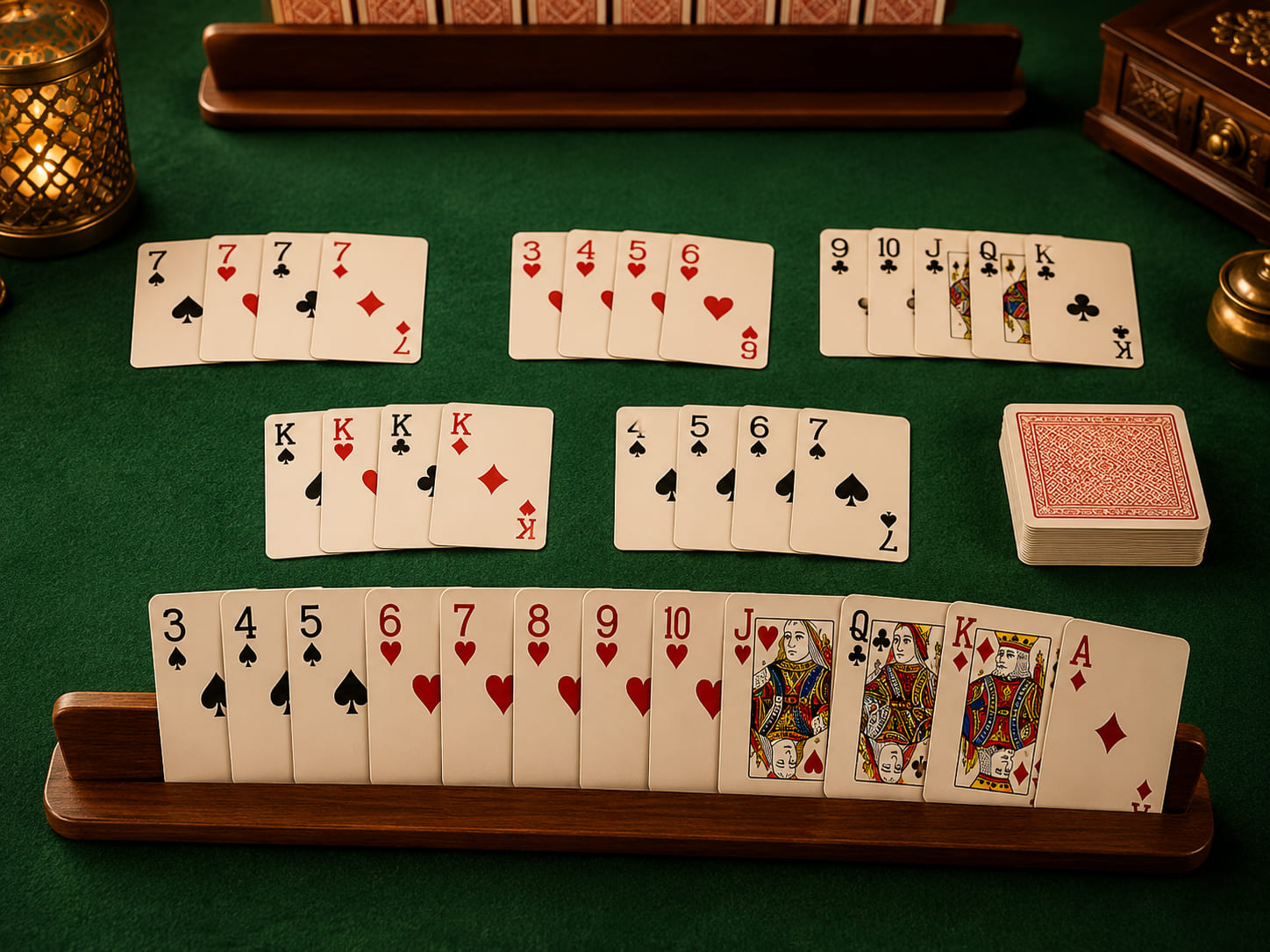
Rummy

Rummy asks players to form useful sets and sequences while watching what others pick and discard.

Careful hand management, memory, and the ability to recognise changing possibilities make every round more engaging.

Rummy cards
A better way to learn

Start simple, then add strategy.

The easiest way to learn a game is to understand it in layers instead of memorising everything at once.

01

Understand the objective

Know what winning looks like before learning every small rule.

02

Learn the normal turn

Focus on what one player can do during a standard turn.

03

Play a short practice round

Use a quick sample game to make the rules feel natural.

04

Add one strategy at a time

Start with a single useful idea, then build depth as confidence grows.

The Value of Play

Game night can build more than good memories.

Classic games encourage communication, patience, observation, and flexible thinking. They create an easy shared activity for families and friends without requiring complex technology.

Adaptive skill-building: Strategy games reward planning, card games exercise memory, precision games develop control, and simple race games teach resilience.

Sharper thinking

Planning, counting, and pattern recognition encourage focused decisions.

Real connection

Shared play creates natural conversation, teamwork, and friendly competition.

Learning by doing

Children practise patience, counting, and rule-following in a relaxed setting.

Screen-free time

A familiar game offers an easy break from screens and everyday routines.

Questions

A few things beginners often ask.

Ready to Play?

Pick a game and start with one clear idea.

Learn the objective, play a short round, and build confidence before adding more strategy.